
San Flaviano Umbria Italy — The Setting
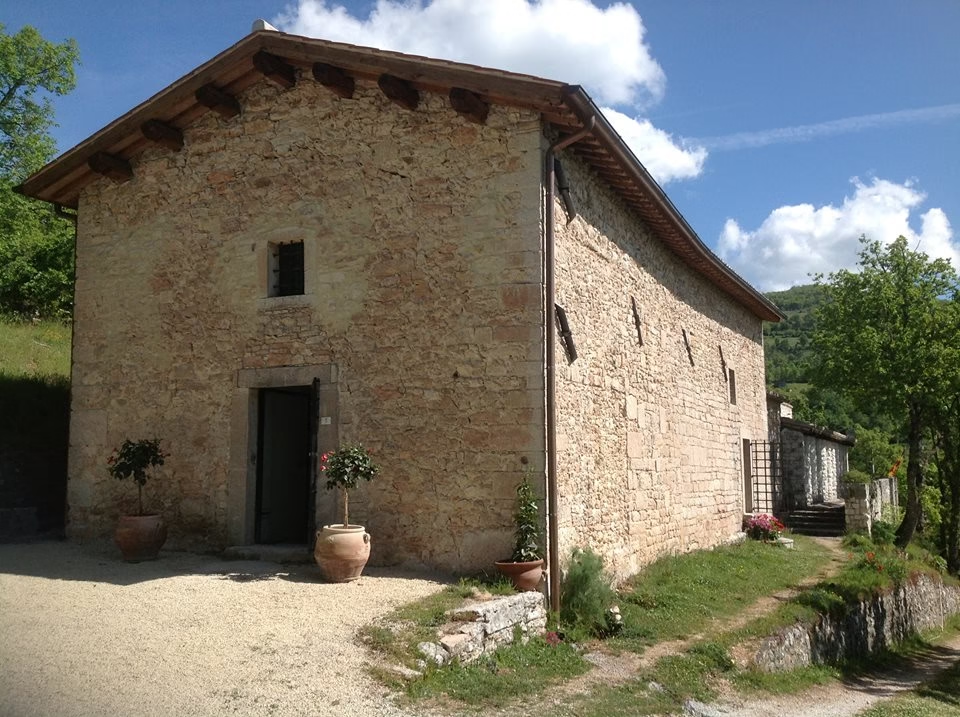
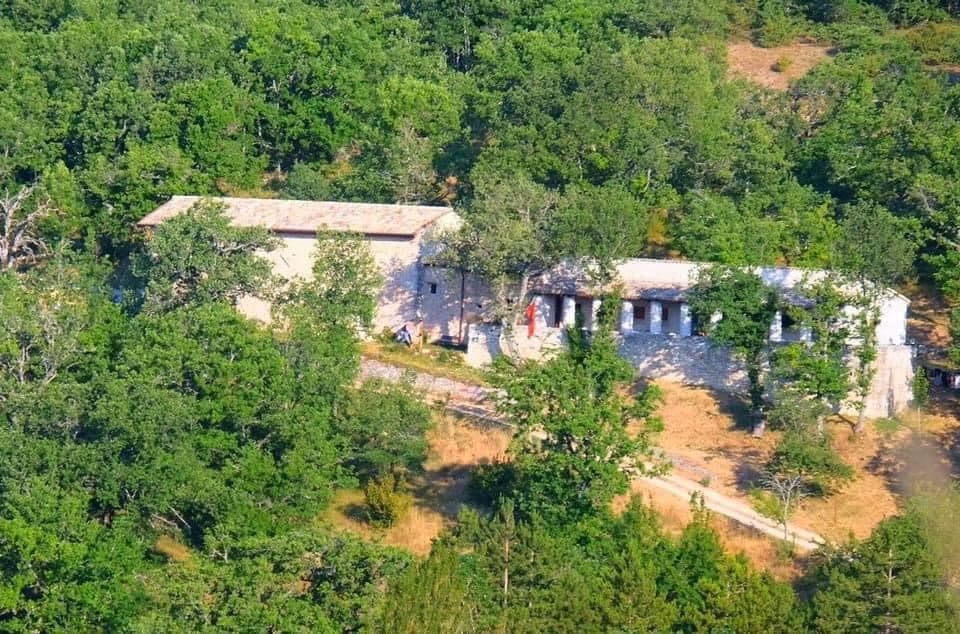
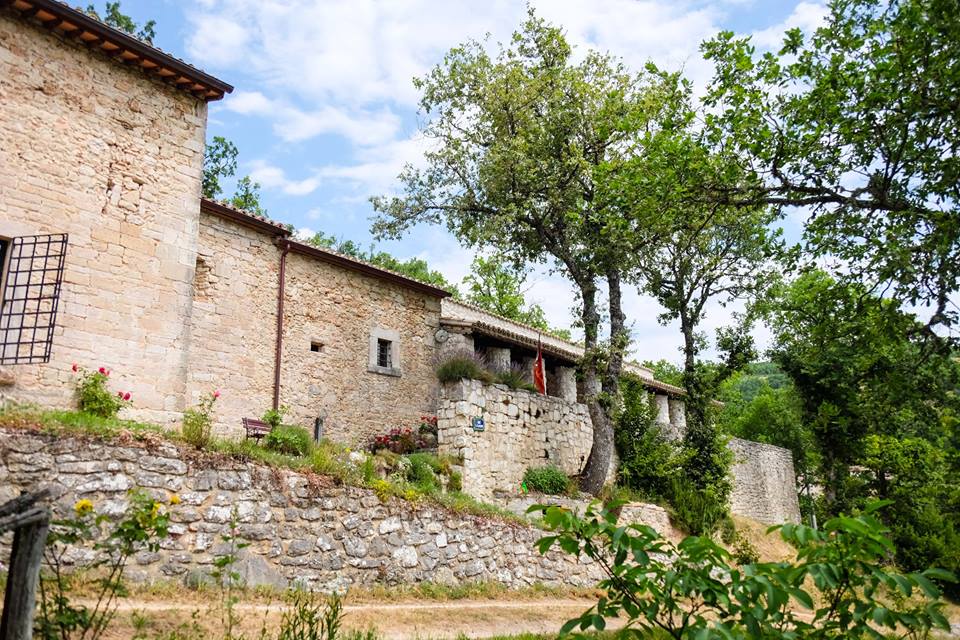
San Flaviano in Umbria, Italy is a restored monastery set in the Sibillini mountains, where over a thousand years of history meet a quiet, lived environment.
I bought San Flaviano 15 years ago.
She had no roof — just a hole open to the sky. The building had been altered in the 1970s but left to deteriorate.
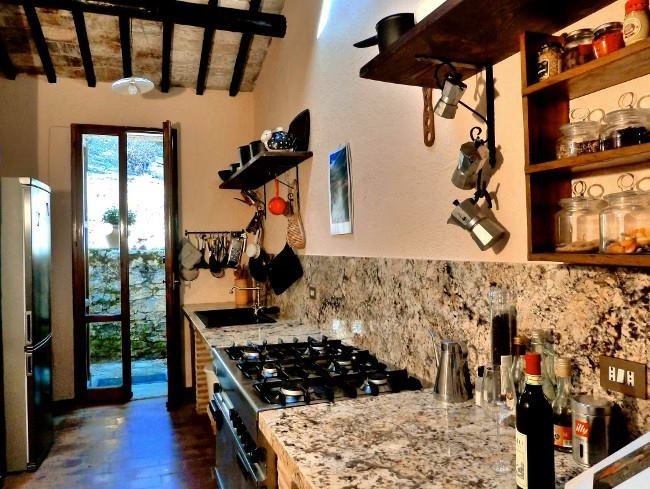
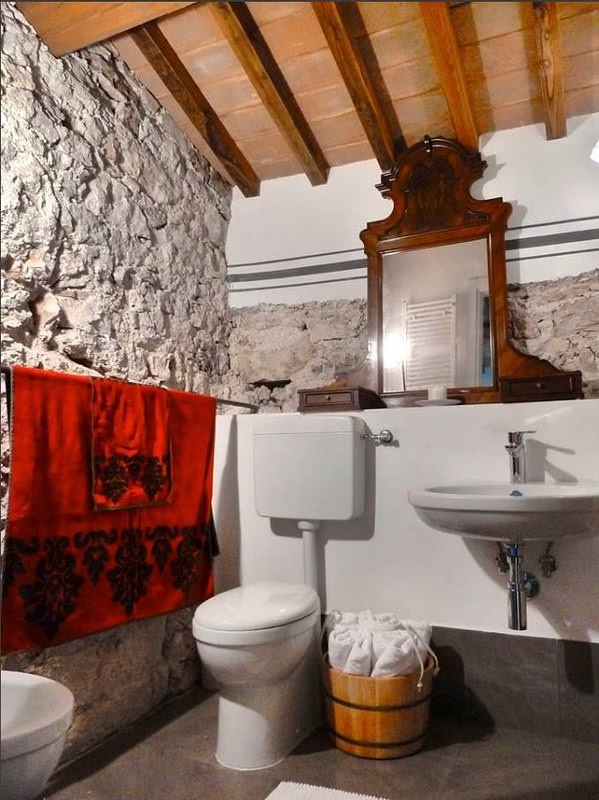
The restoration took 18 months. The roof and large parts of the structure were rebuilt. Modern comforts were added — bathrooms, kitchen — but the character of the building was left intact. The original features remain.
This is not a designed retreat venue.
It is a lived place, restored carefully.
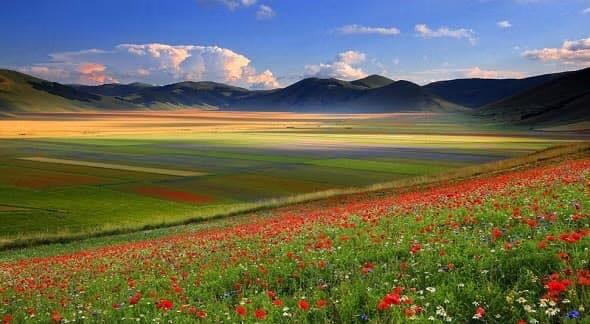
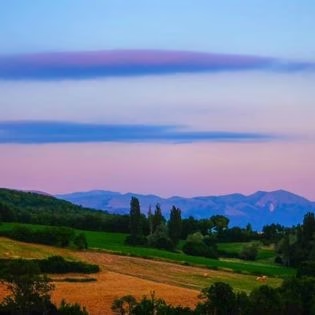
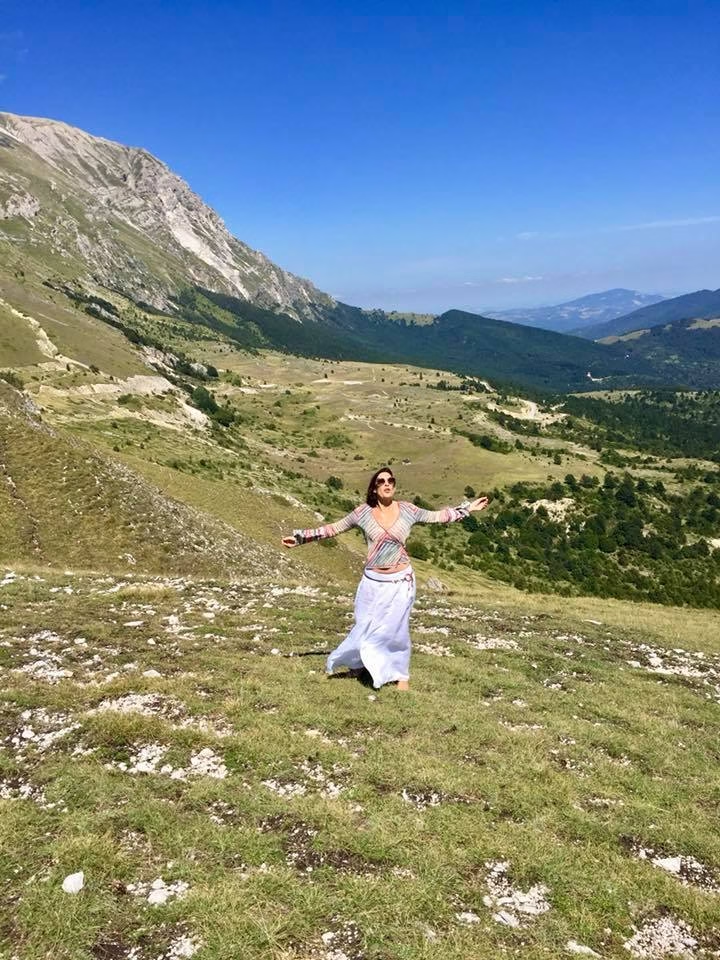
San Flaviano looks out across the Sibillini mountains — one of the most striking landscapes in Italy.



San Flaviano Umbria Italy — A Place with History
The oldest part of San Flaviano dates back to the 8th or 9th century.
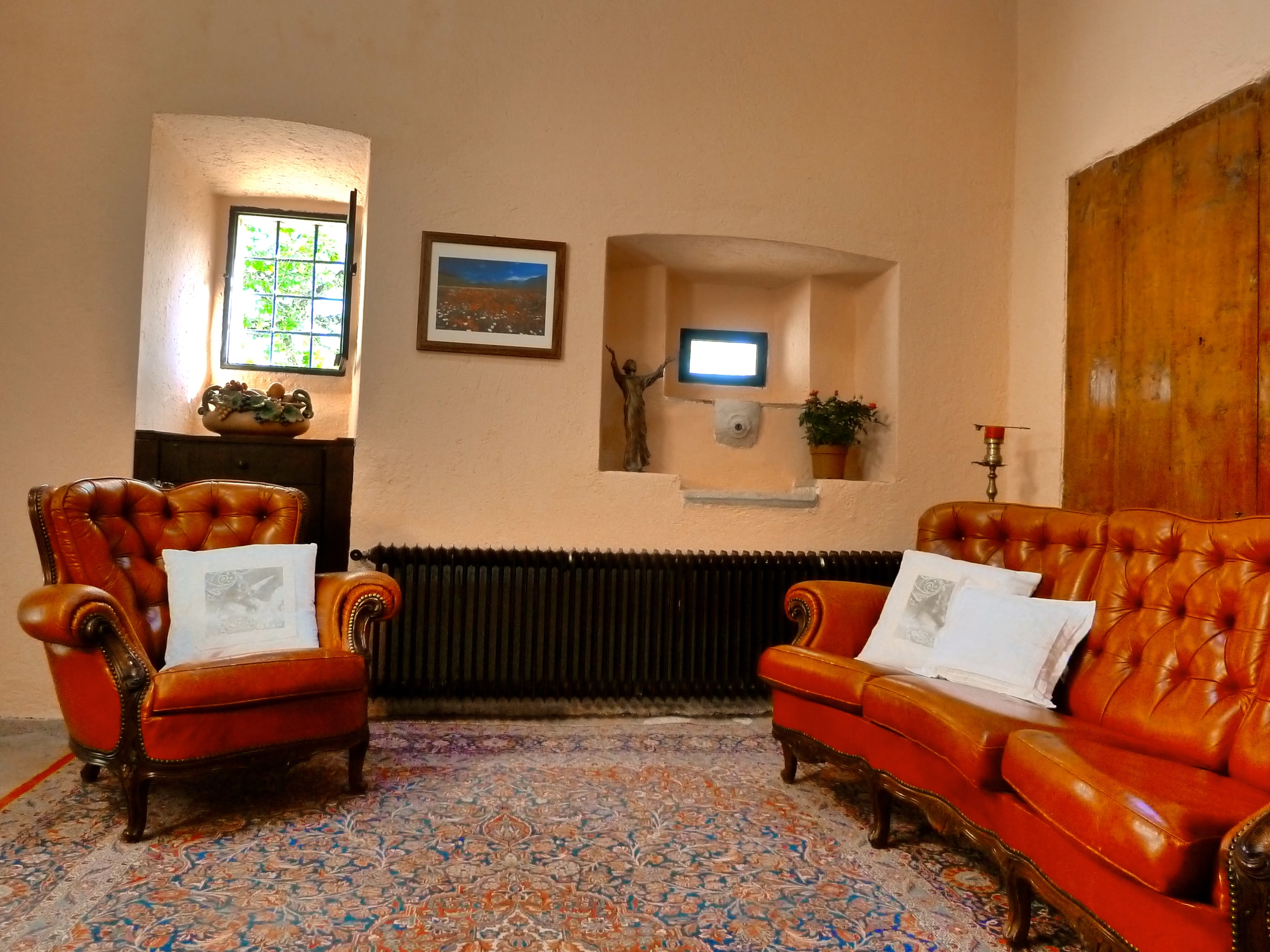
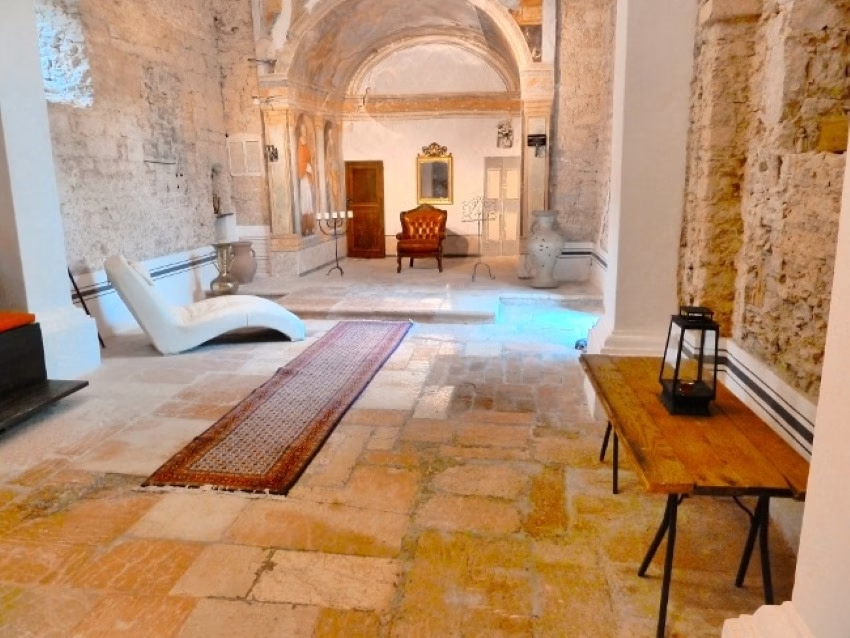
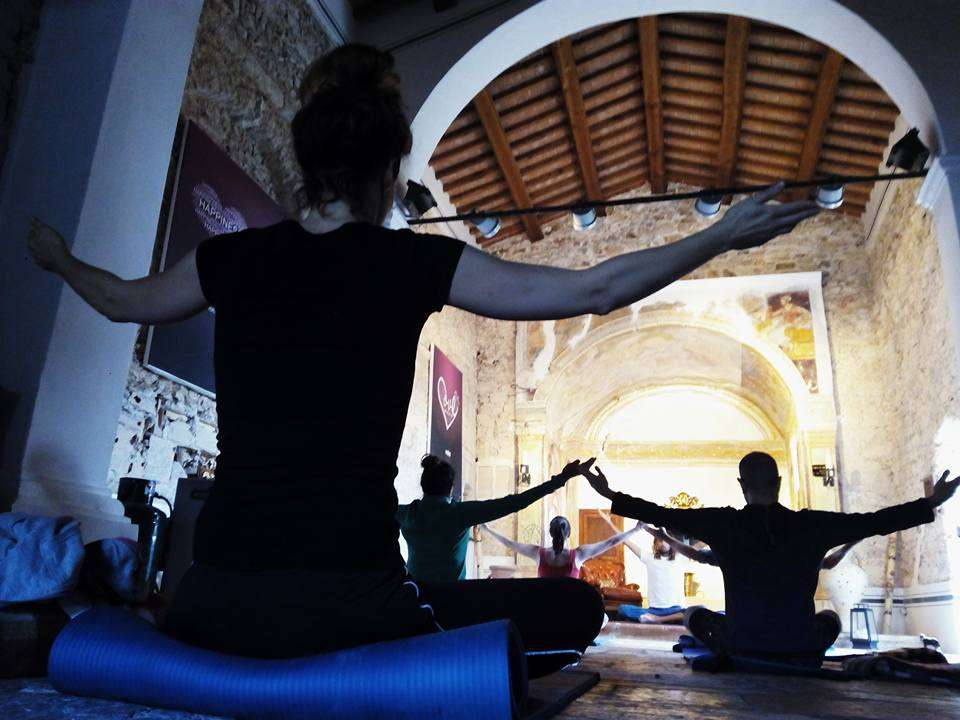
What is now the sitting room — with its open fire and original baptismal font — was once the entire church.
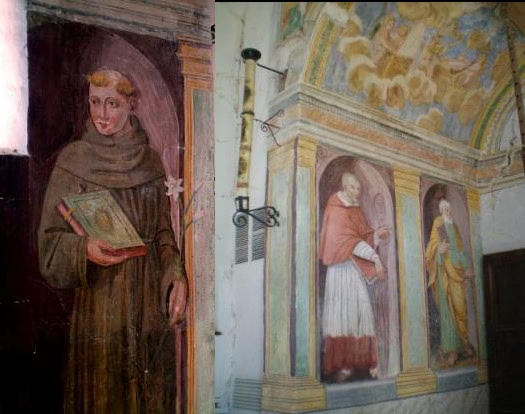
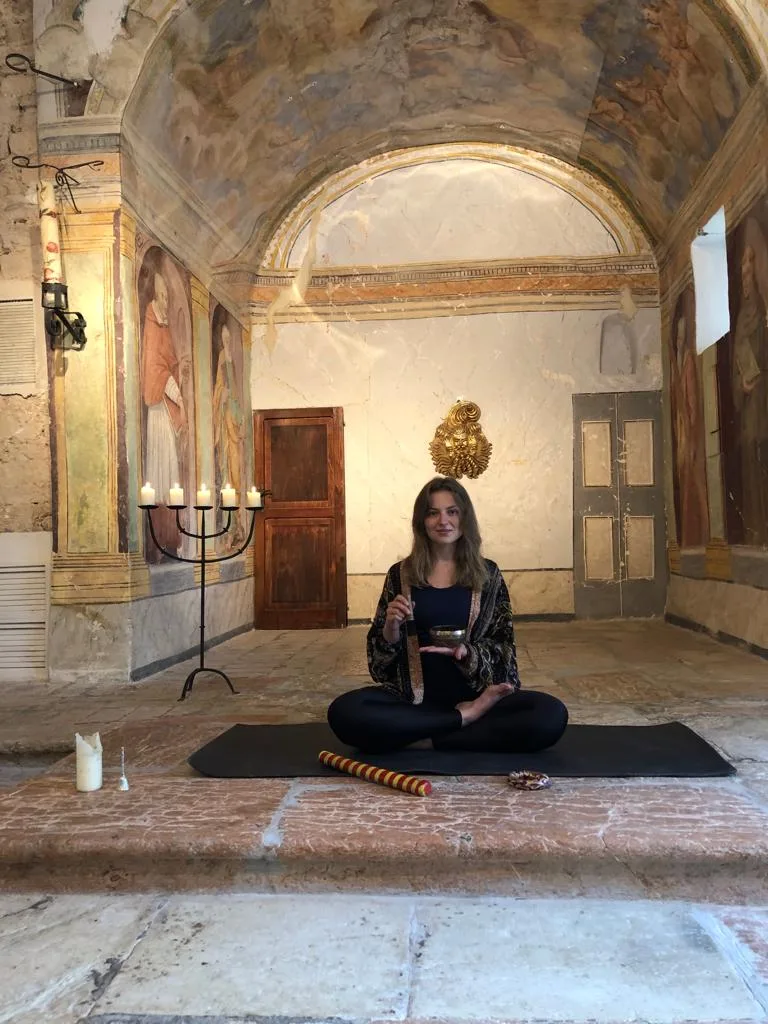
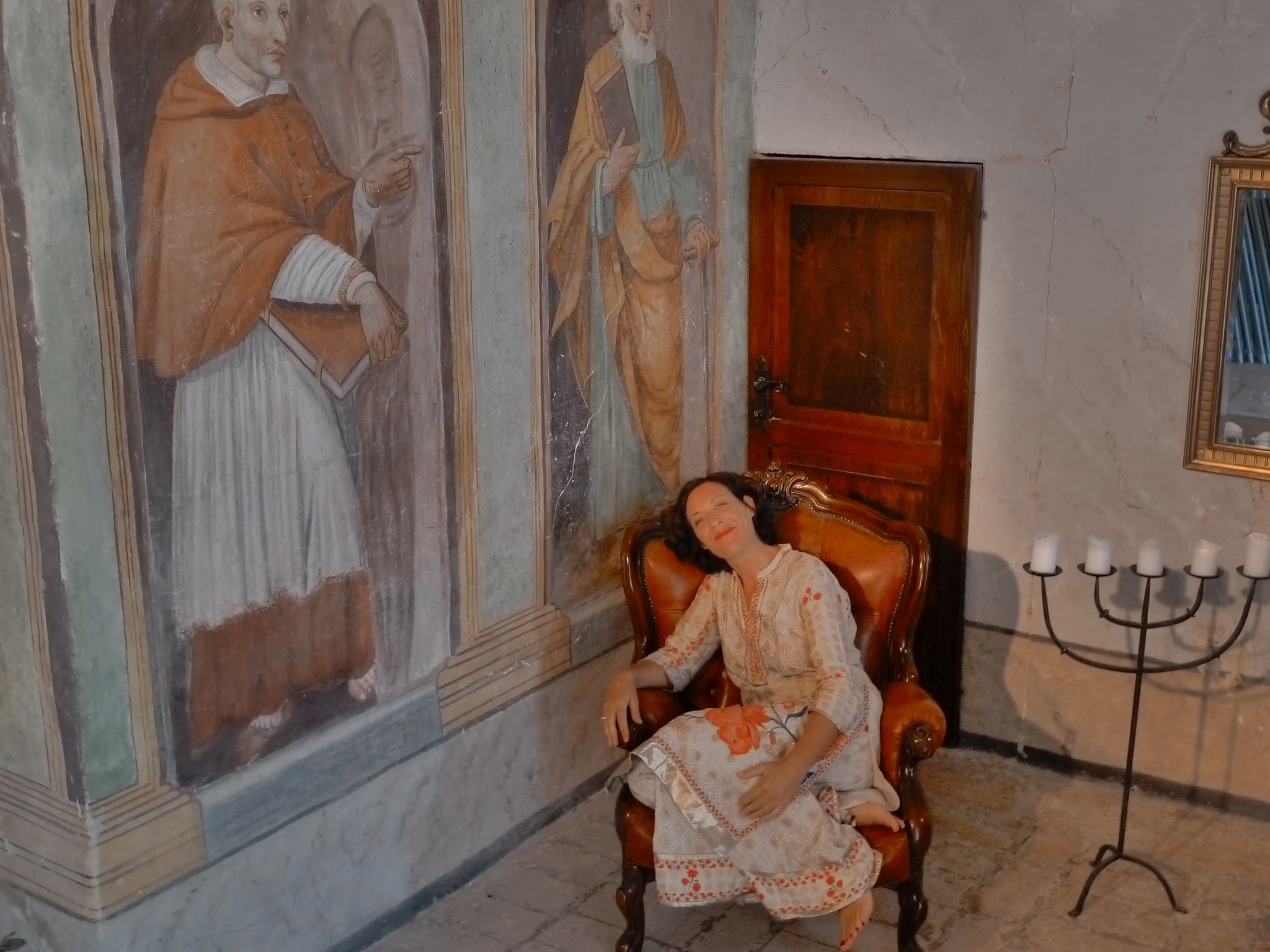
In the 15th century, a larger church was built beside it, still holding its original frescoes.
That church itself stands on the site of a much older temple, dating back to around 750 BC. The stonework remains visible.
For over a thousand years, people have gathered here — for births, marriages, funerals, and ordinary life.
Local historians record that both St Benedict and St Francis of Assisi retreated at San Flaviano, drawn to this landscape for solitude and contemplation.


The Land
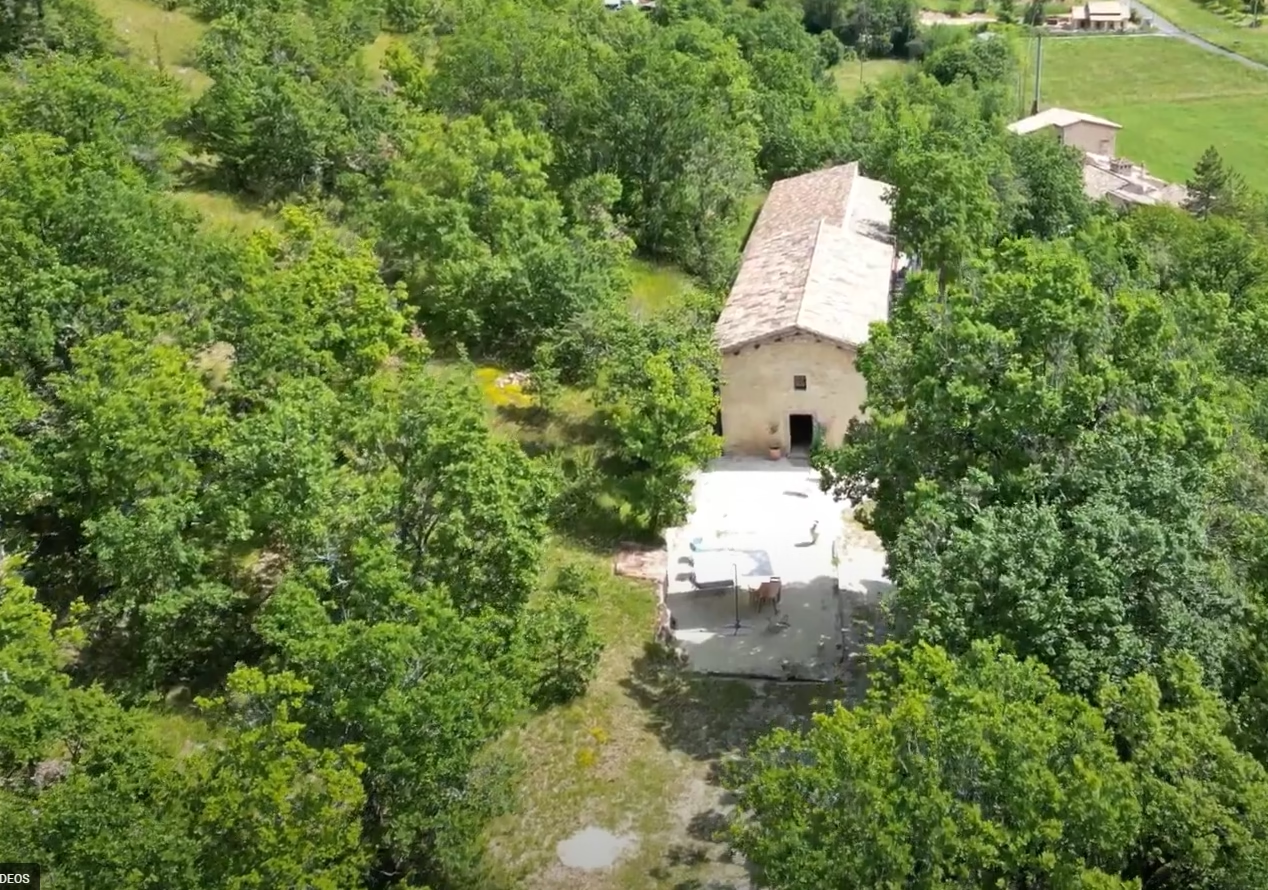
San Flaviano Umbria Italy sits at 850 metres sits at 850 metres, within 10 acres of private land in a protected woodland of 150,000 acres.
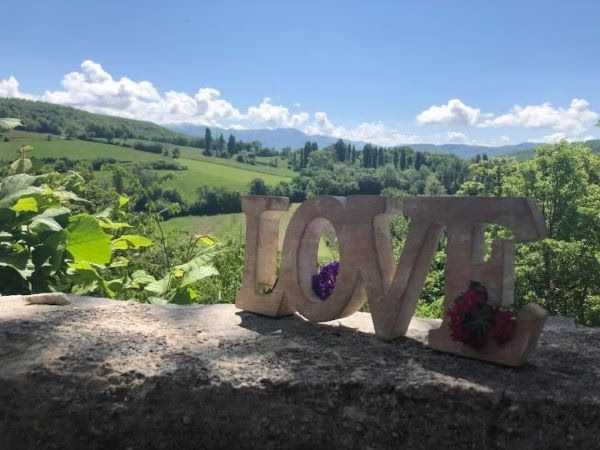
It looks out across the Sibillini mountains — one of the most striking landscapes in Italy.
There is no noise pollution. No light pollution.
The water comes from a natural spring beneath the house.
The oldest part of San Flaviano dates back to the 8th or 9th century.
What is now the sitting room — with its open fire and original baptismal font — was once the entire church.
In the 15th century, a larger church was built beside it, still holding its original frescoes.
That church itself stands on the site of a much older temple, dating back to around 750 BC. The stonework remains visible.
For over a thousand years, people have gathered here — for births, marriages, funerals, and ordinary life.
Local historians record that both St Benedict and St Francis of Assisi retreated at San Flaviano, drawn to this landscape for solitude and contemplation.




The Atmosphere
There is a quality to the place that is difficult to describe but immediately felt.
People settle quickly.
They feel safe here.
A Lived Place
San Flaviano is my home. It is not a hotel, and it is not a styled or curated retreat venue.
This house has been used as a place of retreat for centuries, and that continuity still shapes how it is lived in now.
The atmosphere is simple and unforced. There is no expectation to perform, dress up, or be anything other than as you are. The rooms are private, quiet, and designed for rest.
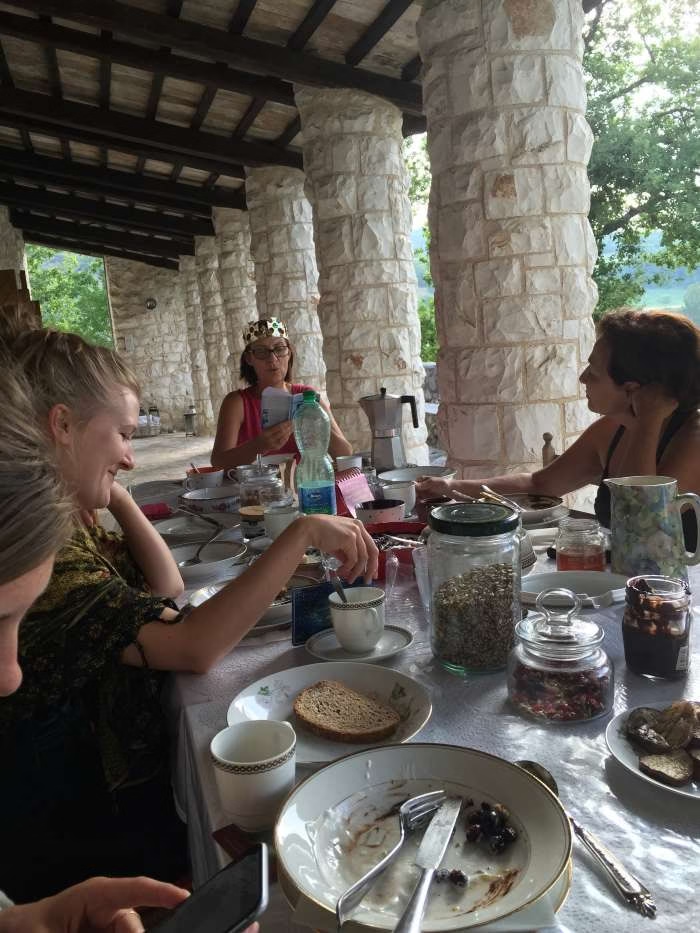
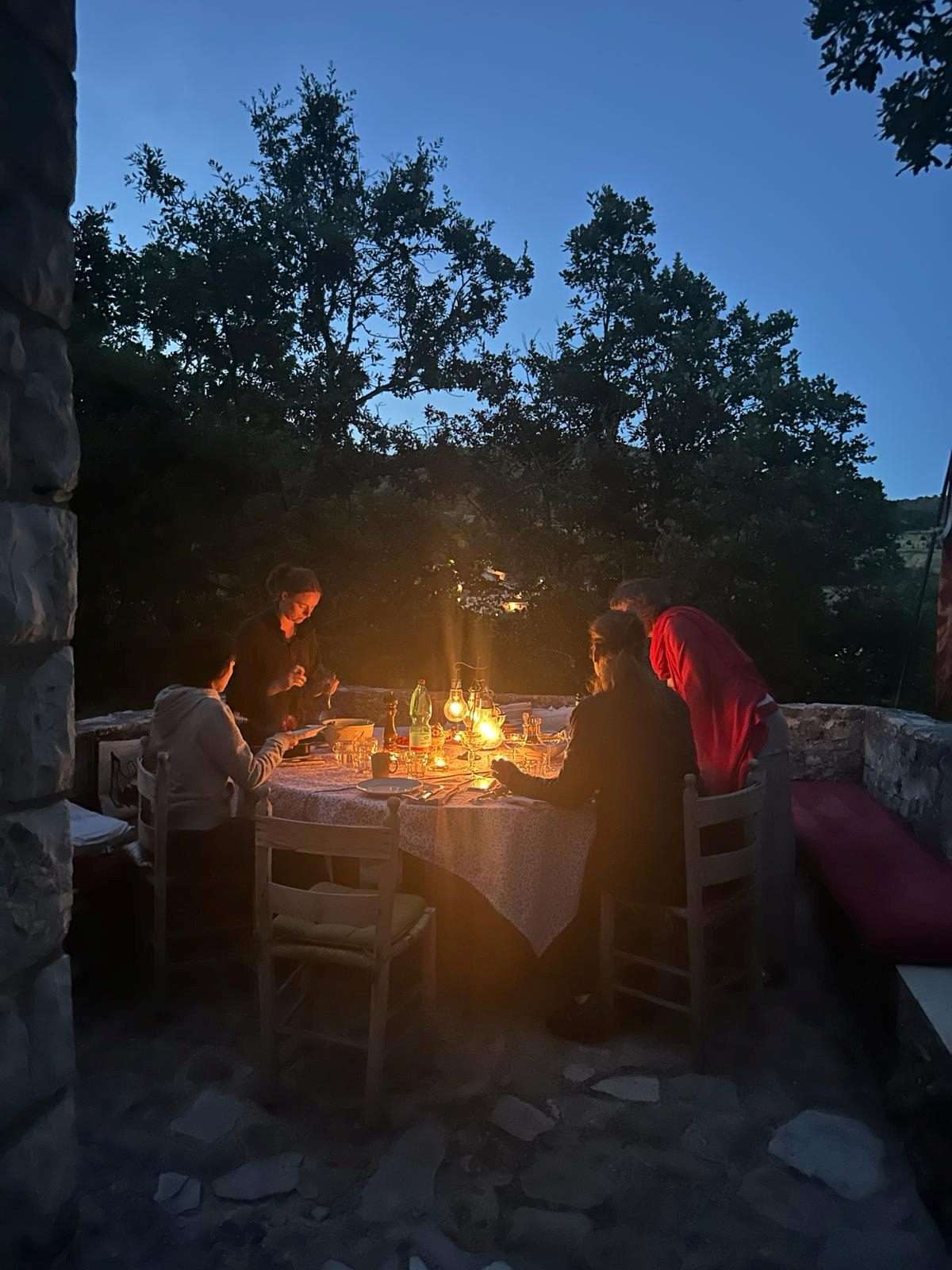
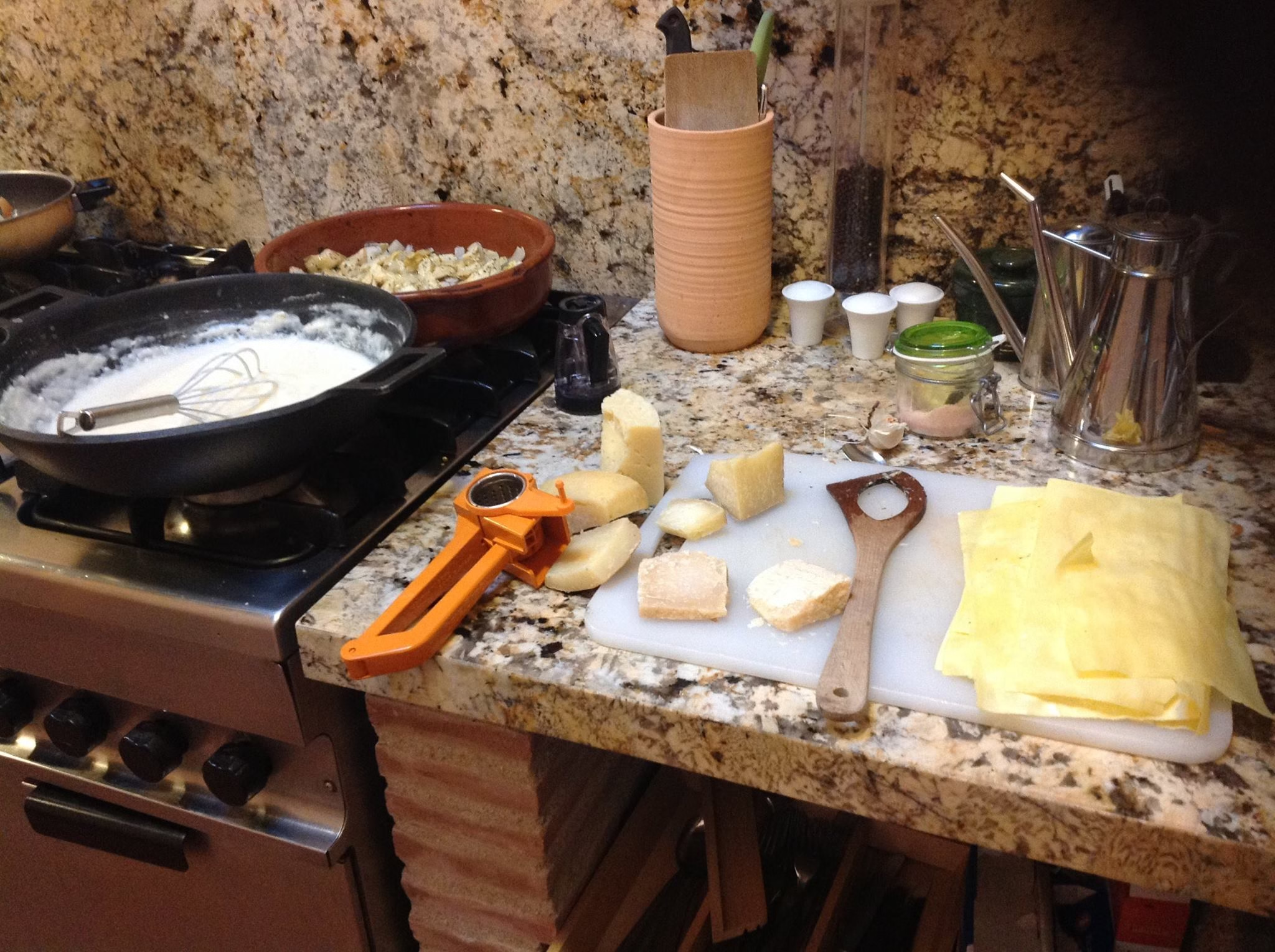
Over the course of the week, people begin to use the house naturally. The kitchen is open. You can make tea, sit by the fire, or take time alone in the garden. Some wrap themselves in blankets and sit outside at night, watching the sky over the mountains.
Everything in the house is chosen for how it feels to live with — natural materials, practical objects, things that are used rather than displayed.
What people often notice is the ease of being here. There is very little effort required. The space does not ask anything of you.
San Flaviano Umbria Italy has been a place of gathering for over a thousand years. That continuity is still felt.
Your Stay
This is my home, and it is lived in as one.
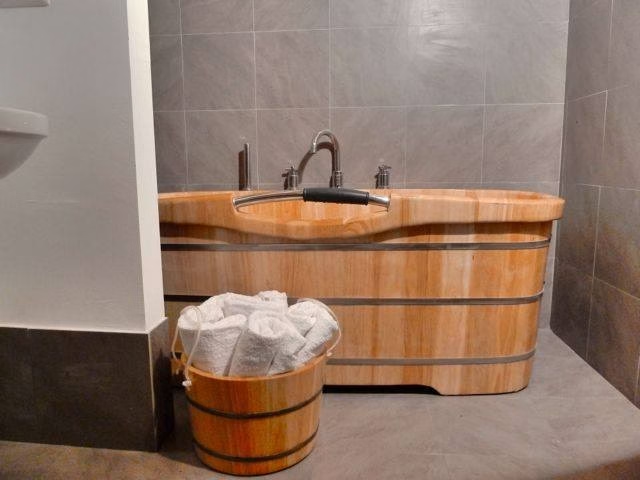
Everything you might need is here — not as a hotel would provide, but as a home does. Towels, books, and the small practical things you reach for without thinking.
You are invited to use the space as it is — to settle, to rest, and to be here fully.
Many women return because something about this place stays with them.
If you’d like to understand how the week works, what’s included, and whether it’s right for you: